
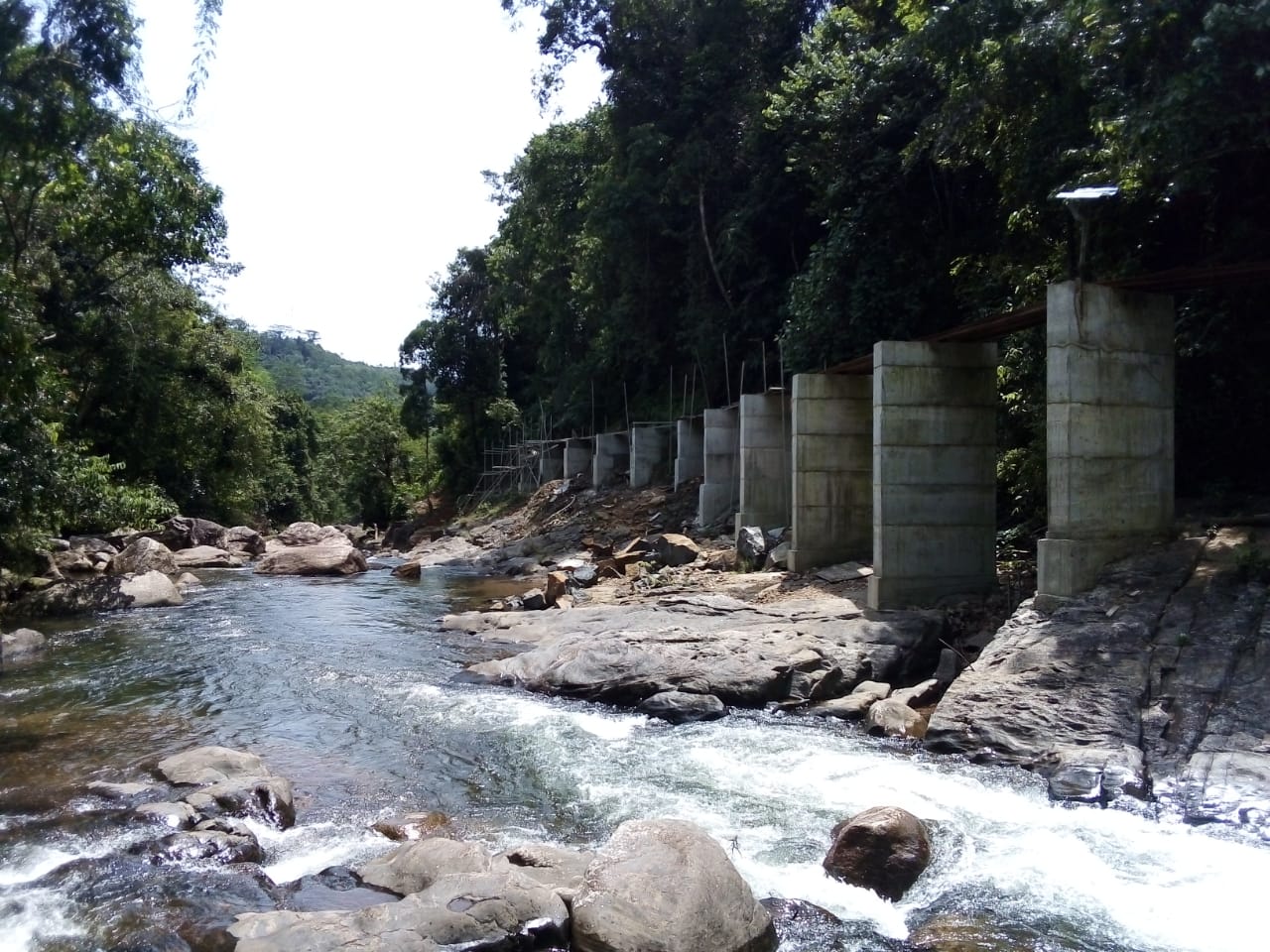
Maliboda Mini Hydro-power Project – 1 MW
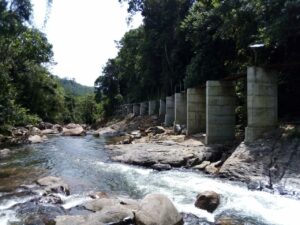
The proposed Maliboda Mini Hydro Power Project site utilizes the waters of Magal Ganga at Magala village in the Maliboda area in Deraniyagala Divisional secretariat Division in Kegalle District.
The upper catchment boundary of the Magal Ganga extends up to an elevation of the app. 1,160 m MSL. The topography of the catchment is high and steep at the head catchment and the catchment area consists of upper mountain primary forest, well-managed tea plantations at higher elevations, and home gardens and human settlements at lower elevations.
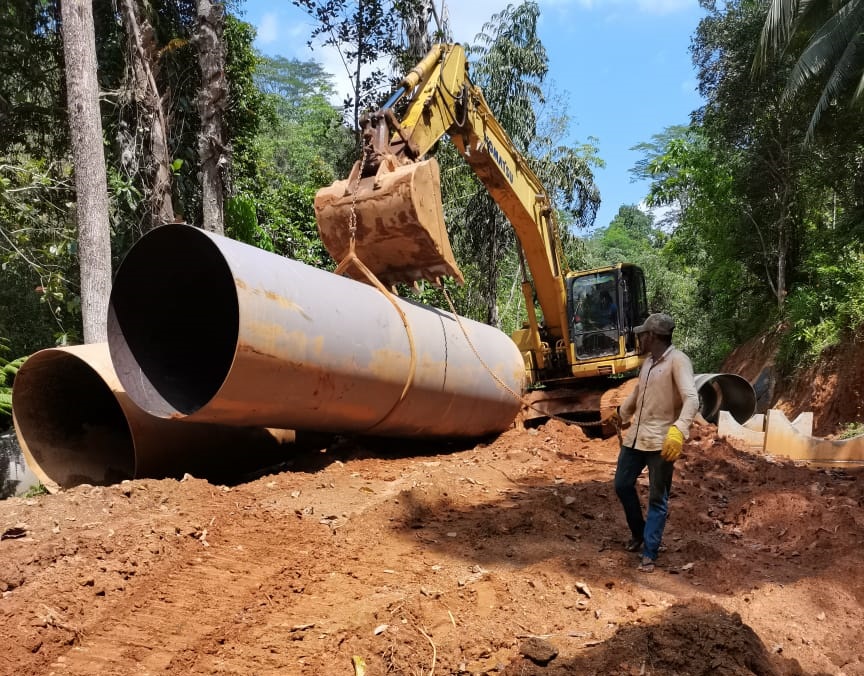
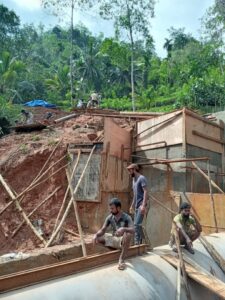
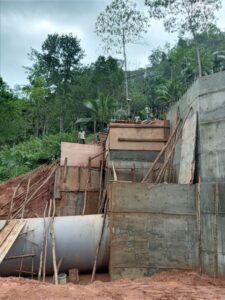
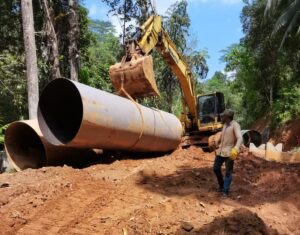
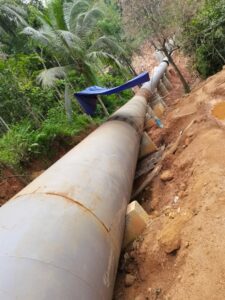
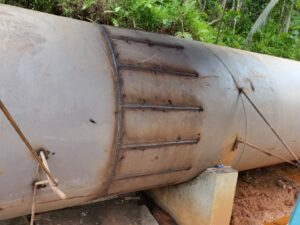
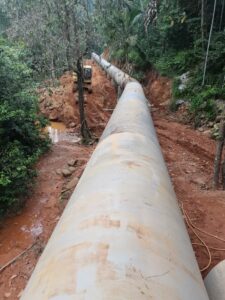
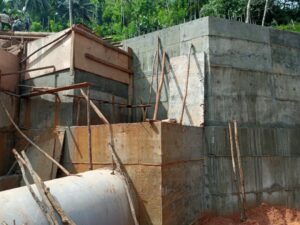
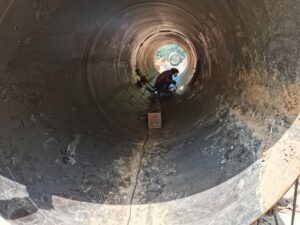
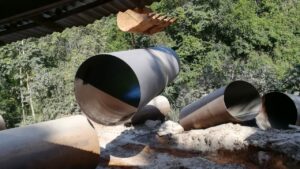
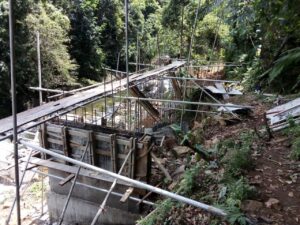
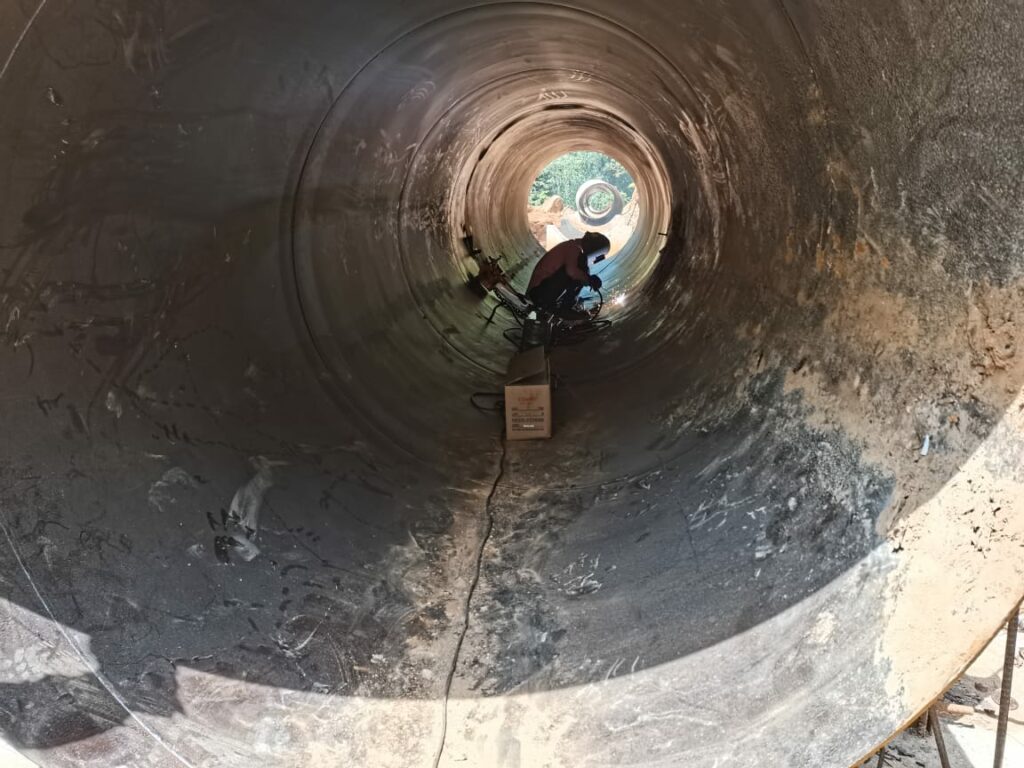
A weir of 3 m high from the river bed level and 30 m long will be built across the stream and water will then be diverted via a 470m long channel path to the powerhouse. One Kaplan turbine will utilize the net head of 17 m to generate 1,000 kW of electrical power. The design discharge of the turbine will be 7.85 m3 /sec. The generated electrical power will be fed to the national grid at a 33kV level. An outdoor switchyard will be used for this purpose.
The main objective of the proposed project is to sustainable use of the water of Magal Ganga to generate clean energy by designing, developing, constructing, and commissioning of 1000 kW run-off river small hydro-power plant and supplying electricity to the National grid. The mean annual electricity generation will be 4.2 GWh.